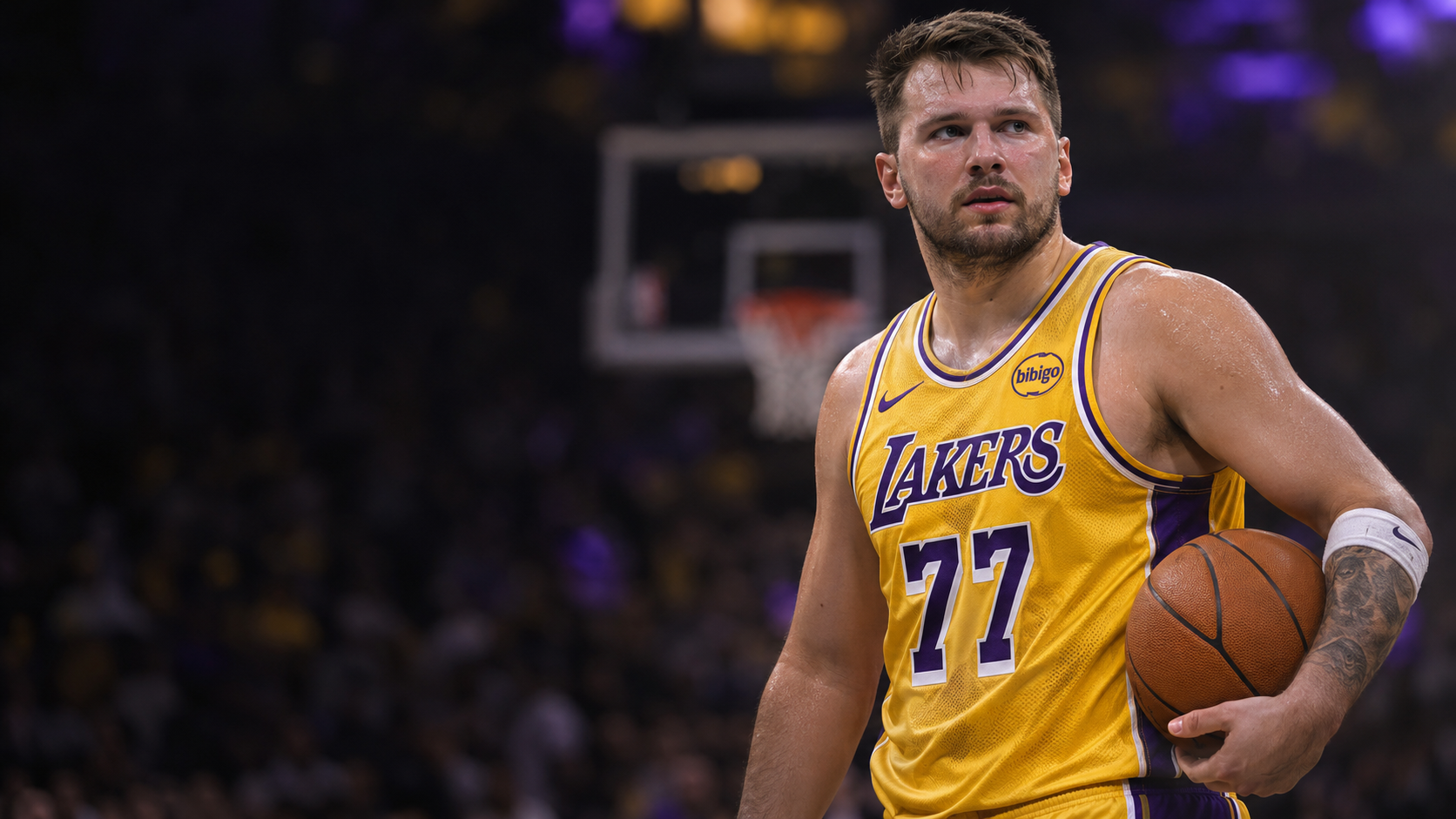
Luka Dončić Is Ridiculous. How Much Better Can He Get?
SportifyInsider | NBA Opinion & Analysis
Fifty-three points should feel extraordinary.
With Luka Dončić, the danger is that we start treating it like routine maintenance.
The Lakers star delivered another enormous performance Friday, scoring 53 in a 124–118 victory over Portland.
That followed games of 45 points against Toronto, 42 against Miami and 40 against Sacramento. Across those four appearances, he also supplied a 15-rebound game and a 13-assist game. This is scoring dominance with several other jobs attached.
Naturally, the question becomes: how much better can this guy get?
The answer depends on what we mean by better.
Because another five points on the scoreboard might be less valuable than five possessions handled differently.
The scoreboard is only the beginning
Dončić’s greatest offensive weapon is the uncertainty he creates.
Give him space and he can shoot. Crowd him and he can use his body to get a defender behind the play. Send help and the possession becomes a test of whether the remaining defenders can cover every passing option.
He makes opponents choose, then punishes the choice.
That is why judging his ceiling through scoring alone misses so much. A difficult jumper can be brilliant. Forcing a defence into a rotation that produces an uncontested finish can be just as destructive.
The next stage of his development should be measured by how consistently he creates the best possession available—even when somebody else finishes it.
Better does not have to mean busier
There is a trap in watching a superstar carry an offence: every successful rescue makes the next rescue seem reasonable.
Eventually, extraordinary shot-making becomes the plan.
For Los Angeles, the challenge is building an attack that benefits from Dončić’s genius without requiring him to solve every problem personally.
That also gives Luka a route to improvement.
Move the ball early. Relocate after passing. Let a teammate attack an advantage before the defence resets. Save some of the hardest individual work for possessions that actually require it.
Those decisions rarely become the first clip shared after a game. Over a long season, they can matter enormously.
An offence that stays dangerous after Luka releases the ball would make him harder to defend—and give opponents fewer opportunities to wear him down.
The biggest gains may come elsewhere
If we are asking how good Dončić can become, defensive engagement belongs in the conversation.
That does not require pretending he must become an elite stopper.
The useful questions are more practical: does he get back immediately? Stay connected away from the ball? Finish a possession with a box-out? Make the second effort after the first rotation breaks down?
Those are the improvements worth watching. They would add value without demanding another scoring explosion.
The same applies to handling frustration. A disputed whistle is already a lost decision. Allowing it to affect the next possession makes it more expensive.
For a player capable of controlling so much, protecting his attention is part of protecting his advantage.
November provides the excitement. Spring provides the examination.
This stretch deserves appreciation. It does not settle what the Lakers—or Luka—will become.
Playoff opponents get repeated chances to change coverages, pressure the ball and test the same weaknesses. The challenge becomes sustaining good decisions after the first solution stops working.
That is where Dončić’s next leap could be most meaningful: recognising the adjustment earlier, trusting the release pass sooner and maintaining his effort when the game becomes uncomfortable.
He can get better. At this level, improvement often arrives in possessions that look ordinary.
We already know Luka can make a difficult game look easy.
His highest ceiling may depend on how often he makes the difficult play unnecessary.